While avocado seeds contain intriguing compounds with potential health benefits in laboratory studies, there is currently insufficient evidence to recommend eating them .
Until human studies confirm both safety and efficacy, stick to the flesh—which has proven benefits and no safety concerns .
The Bottom Line: What to Do With This Information
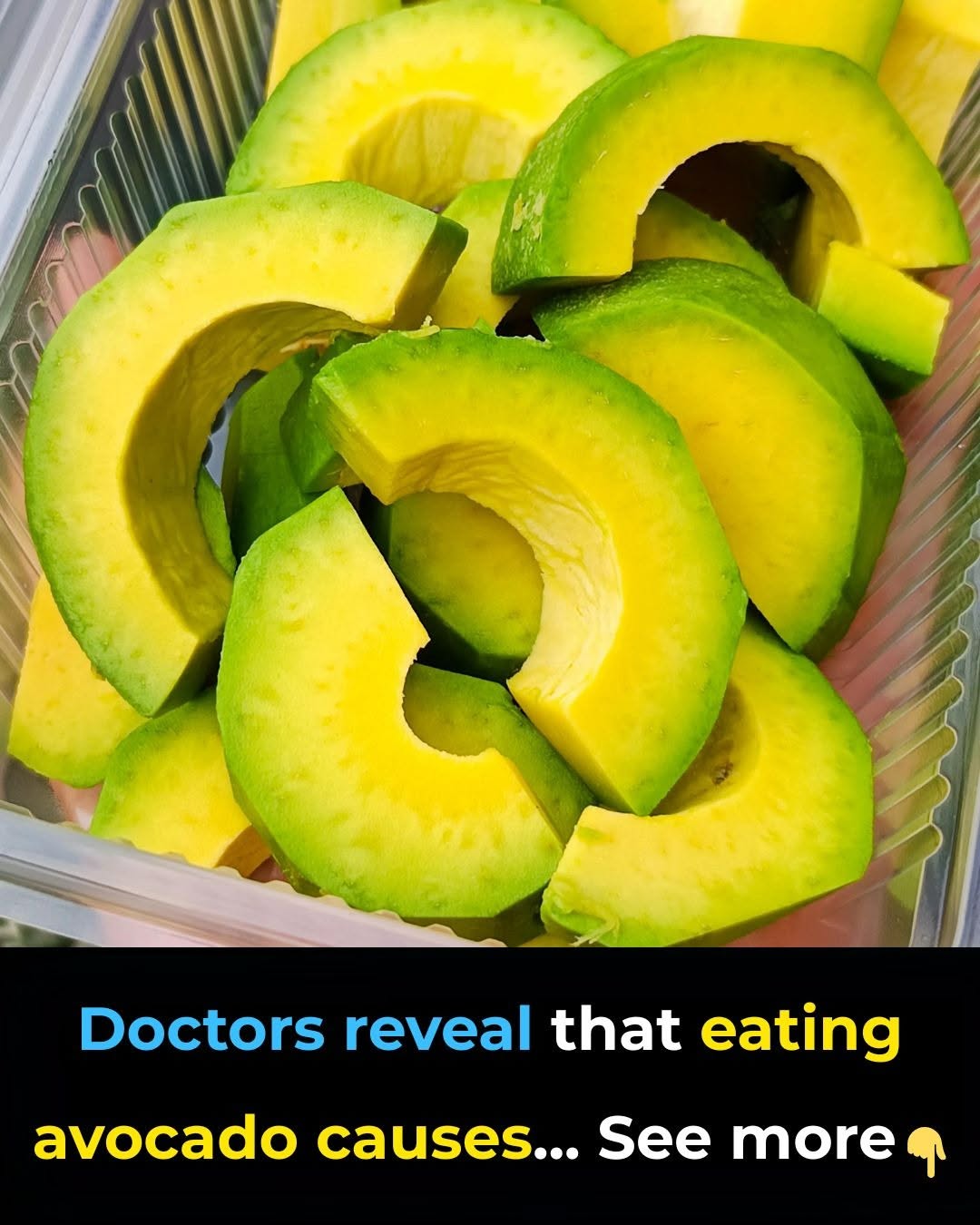
For Avocado Flesh (The Green Part)
The evidence supports:
Regular avocado consumption as part of a heart-healthy diet
Modest LDL cholesterol reduction (about 3.75 mg/dL on average)
Small but significant blood pressure improvements
Better diet quality and blood lipids with daily intake
Stable blood sugar and prolonged satiety
Gut health support through prebiotic fiber
What it doesn’t do:
Dramatically change overall cardiovascular risk scores
Replace medication for high cholesterol or blood pressure
Work magic without overall healthy lifestyle
For Avocado Seeds (The Pit)
Current recommendation:
Do not eat avocado seeds until human research establishes safety
If you want polyphenols, get them from proven sources: red wine, green tea, berries, and avocado flesh itself
Consider growing your own avocado tree from the seed instead
A Sustainable Perspective
Valorizing avocado seeds aligns with circular economy principles by converting agricultural waste into potential high-value products. However, this requires proper processing, standardization, and regulatory approval—not simply grinding and eating .
The avocado is truly a remarkable fruit, with decades of research supporting its place in a healthy diet. Its seed may one day join it as a functional food ingredient, but that day hasn’t arrived yet.
For now, enjoy your avocado with confidence—and maybe start that seed in a jar of water on your windowsill instead of in your smoothie.