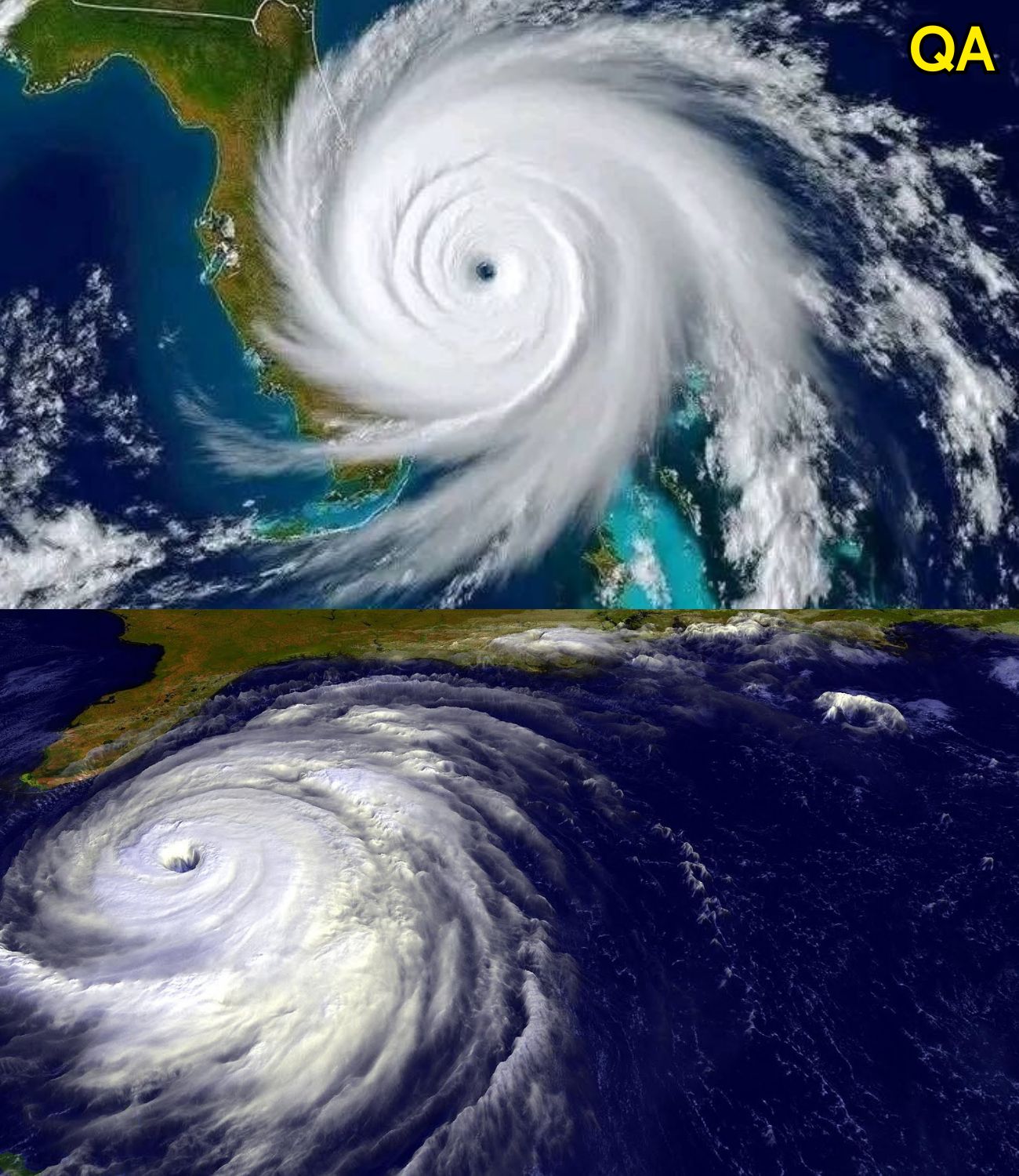
El Niño adds another layer to this complexity, reducing overall activity while increasing variability in storm behavior. This combination makes the season particularly interesting from a scientific perspective.
Conclusion: One Storm Is Enough
The key takeaway for 2026 is simple but important. A lower number of storms does not eliminate risk. It only changes how that risk is distributed.
For coastal regions, especially in the United States, awareness and preparation remain essential. It is not the number of storms that defines a season—it is their impact.
Human curiosity drives us to follow forecasts, analyze patterns, and understand the forces shaping our planet. At the same time, these natural systems remind us of the importance of respect, preparation, and adaptability.
In the end, the 2026 hurricane season may be quieter on paper, but it still carries the potential to leave a lasting impression—just as many seasons before it have done.
Sources
National Oceanic and Atmospheric Administration (NOAA). Seasonal hurricane outlooks
World Meteorological Organization. Climate patterns and global weather systems
National Hurricane Center (NHC). Tropical cyclone forecasting and analysis
NASA. Research on El Niño and ocean-atmosphere interactions