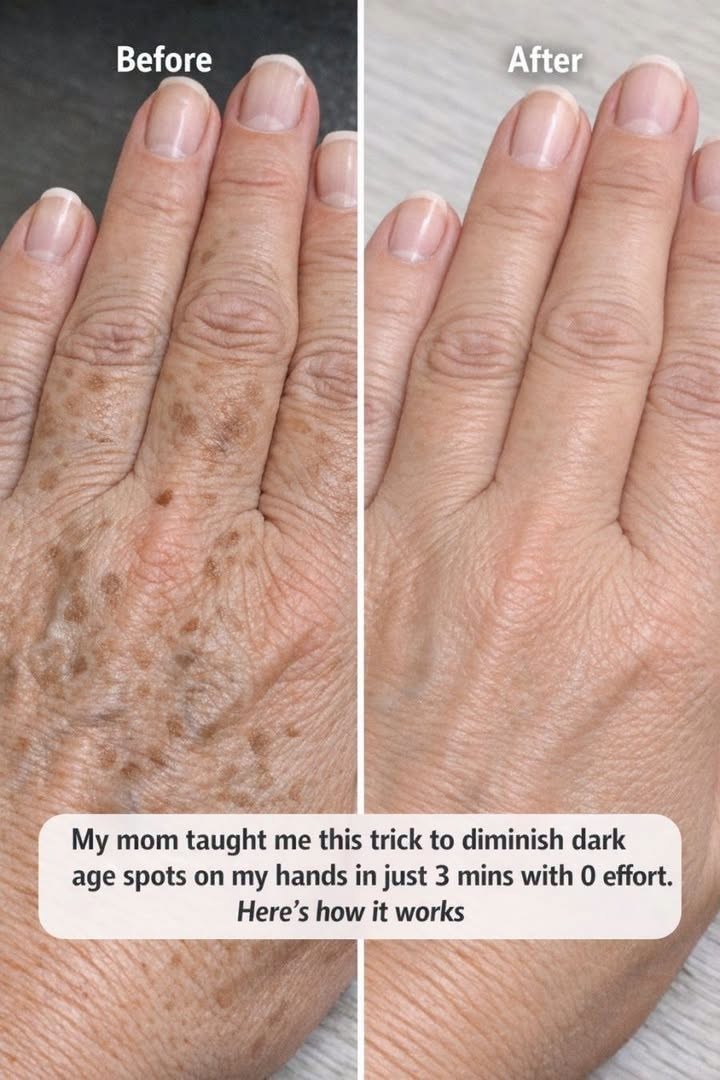
The lemon juice’s citric acid works by breaking down the melanin responsible for darkening the skin. Over time, regular application of lemon juice can help to lighten these pigmented areas. It also helps to exfoliate the top layer of skin, promoting cell turnover and the growth of new skin cells.
Baking soda enhances this process by sloughing off dead skin cells, which can accumulate and make age spots appear more prominent. By removing these cells, baking soda helps to reveal the new skin underneath, which is typically lighter and more even in tone. This combination of exfoliation and natural bleaching helps to gradually diminish the appearance of age spots.
6. When You’ll Start Noticing A Visible Difference
While results can vary depending on the severity of the age spots and individual skin types, many people start noticing a slight improvement in their skin tone after two to three weeks of consistent use. However, for more significant results, it may take up to six to eight weeks.
It’s important to be patient and consistent with the application. Natural remedies like this one tend to work more gradually than chemical treatments, but they often have the added benefit of being gentler on the skin.
7. Derm-Approved Tweaks To Make The Trick Even More Effective
To enhance the effectiveness of this trick, consider adding a few drops of vitamin E oil to the paste. Vitamin E is known for its skin-nourishing properties and can help to boost the skin’s repair process. Another option is to incorporate a few drops of almond oil, which is rich in essential fatty acids and vitamins that can help to improve skin tone and texture.
For those with sensitive skin, it might be beneficial to dilute the lemon juice with a bit of water to reduce its acidity. This can help to prevent any potential irritation while still providing the benefits of the treatment.
8. Common Mistakes That Can Make Age Spots Look Worse
One common mistake is applying the treatment more frequently than recommended, which can lead to skin irritation and dryness, potentially worsening the appearance of age spots. It’s important to stick to the suggested frequency of up to three times per week.
Another mistake is not using sunscreen after the treatment. Lemon juice can make your skin more sensitive to sunlight, which can increase the risk of further pigmentation if sun protection is not used. Always apply a broad-spectrum sunscreen with at least SPF 30 on your hands after the treatment to protect against UV damage.
9. Safety Checks: Who Should Skip Or Modify This Hack
⏬️ Continued on the next page ⏬️