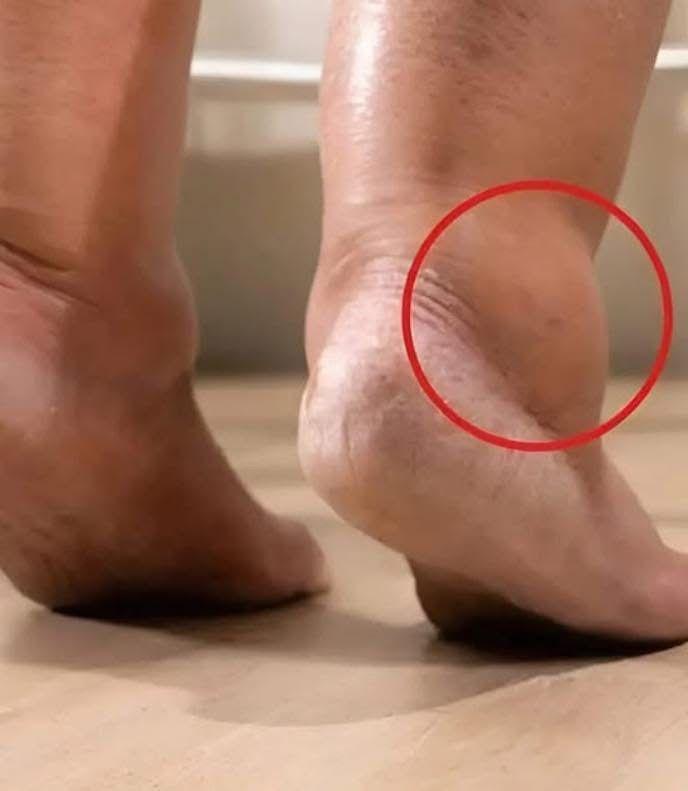
As we mentioned, while swelling can be benign, it’s crucial to be aware of any accompanying symptoms. Pain, redness, warmth to the touch, shortness of breath, chest pain, or swelling affecting only one leg are all warning signs that require immediate medical attention. These could indicate serious conditions such as deep vein thrombosis, heart failure, or kidney failure. You can read more about fluid retention on the Wikipedia page about edema .
Vigilance and early action can make a big difference in the prognosis. Don’t put off until tomorrow what your health needs today; the value of an accurate diagnosis is priceless.
Immeiate relief: The power of cold compresses
When swelling occurs in the legs and feet, one of the simplest and quickest solutions for relief is applying cold compresses. This home remedy has been used for generations for its effectiveness in reducing inflammation and providing almost instant comfort. It is a remedy of undeniable practical value.
Direct application to reduce inflammation
Cold works by constricting blood vessels, which helps reduce blood flow to the affected area and, therefore, decreases swelling and inflammation. You can use a cold gel pack, a compress soaked in cold water, or even a bag of frozen vegetables wrapped in a thin cloth to protect the skin. Applying it directly to swollen areas, such as the ankles or calves, can be very effective.
This method is particularly useful when swelling is due to fatigue or heat. It’s a low-cost solution that can provide significant relief without resorting to expensive treatments.
Recommended duration and frequency
For best results, apply the cold compress for 15 to 20 minutes. It’s important not to exceed this time to avoid potential skin damage. You can repeat this process several times a day, leaving at least an hour between each application. Consistency is key to keeping inflammation under control.
Arebela Salgado emphasizes that regularly applying cold compresses can be a fundamental pillar of your self-care routine. Don’t underestimate the value of these simple yet powerful actions.
A simple solution for intense heat
On hot days, when swelling tends to be more pronounced due to the dilation of blood vessels, cold compresses are a godsend. They not only reduce swelling but also provide a pleasant cooling sensation that helps alleviate the general discomfort caused by high temperatures. It’s an effective way to combat the effects of heat on your body.
Keeping some compresses in the freezer ready to use can be a valuable trick during the summer months. It’s both a preventative and reactive measure.
Leg lifts: A natural and effective method
Elevating your legs is one of the oldest and most effective recommendations for combating swelling. It’s a completely natural method that uses gravity to promote venous return and reduce fluid retention in the lower extremities. Its simplicity doesn’t diminish its immense value in relieving edema.
Position to promote venous return
For the elevation to be effective, it’s crucial to adopt the correct posture. The goal is to position your legs above heart level, allowing gravity to help drain excess fluid from your feet and calves. Lying on your back with your legs elevated is the most recommended method.
This position not only relieves swelling but also reduces pressure on the veins and can improve overall circulation. It’s a habit that can be easily integrated into your daily routine, offering significant therapeutic value.
Strategic use of pillows or walls
To achieve the proper elevation, you can use several large pillows stacked under your calves and feet. Another popular option is to lie on the floor with your legs against a wall, forming a 90-degree angle with your body. Both techniques are equally valid, and you can choose whichever is more comfortable for you.
Maintaining this position for 15 to 30 minutes, two or three times a day, can make a big difference. Arebela Salgado assures us that these short rest periods are invaluable for the health of your legs.