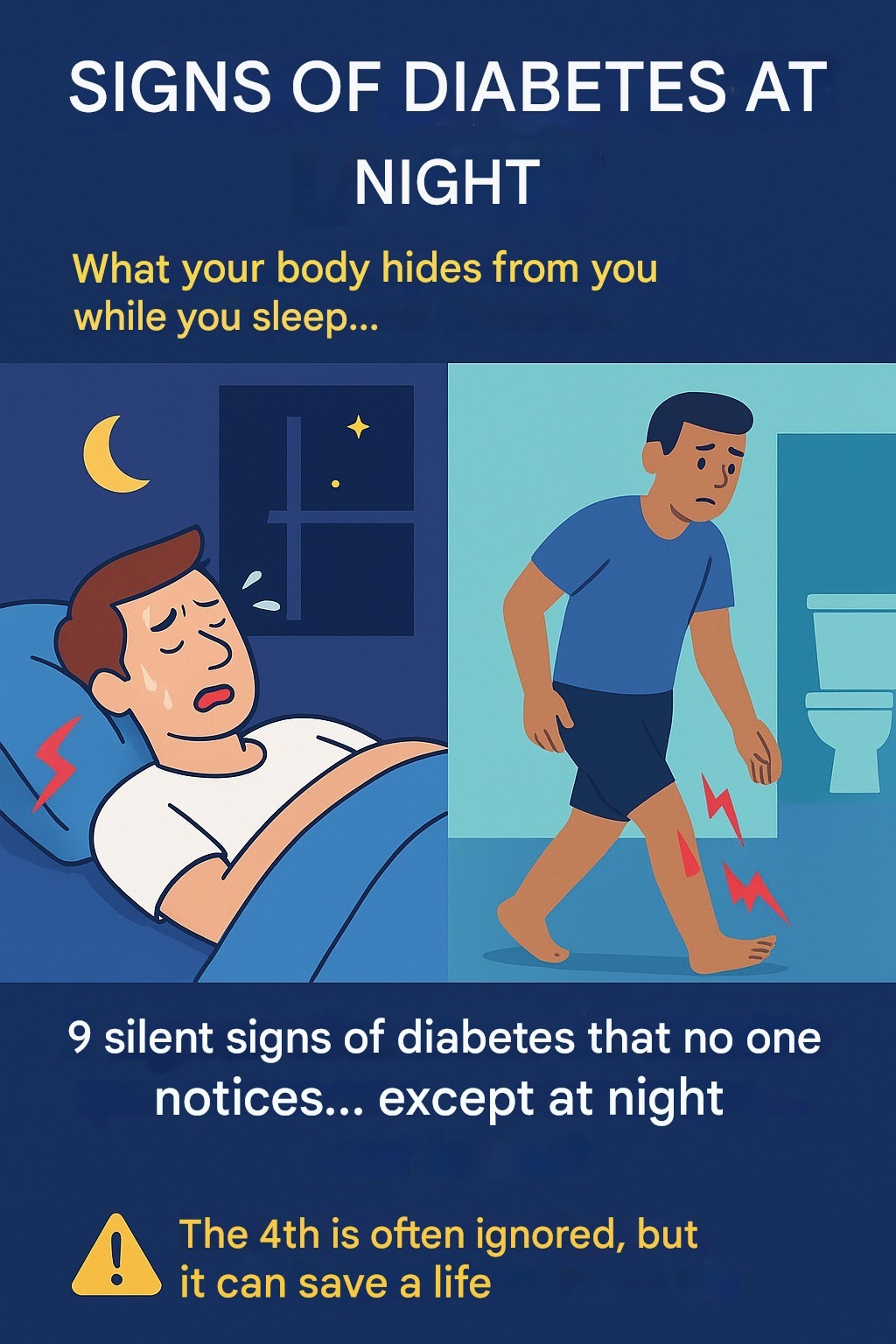
Restless legs syndrome is an often underestimated but common neurological disorder. This disorder is characterized by an irresistible urge to move the legs, accompanied by uncomfortable sensations such as aches and pains or tickling. The link between this syndrome and diabetes lies at the nerve level.
Persistently high blood sugar levels, a characteristic of diabetes, can damage nerves over time, a condition known as peripheral neuropathy. Damaged nerves send conflicting signals to the brain, triggering the need to constantly move your legs.
5. Sleep Apnea
Sleep apnea, characterized by frequent pauses in breathing during sleep, is another potential sign of diabetes. These interruptions in breathing can occur multiple times throughout the night, leading to fatigue the next day.
Obesity is a key factor linking these two conditions. Excess fat around the neck can obstruct the airway, leading to apnea. Additionally, metabolic disturbances due to diabetes, such as insulin resistance, can also influence the development of sleep apnea.
6. Increased Thirst

If you frequently wake up at night with a dry mouth and experience excessive thirst, this could be a telltale sign of diabetes, called polydipsia. When blood sugar levels are high, your
Recent Articles
Why Do Jeans Get Weird Ripples After Washing?There’s nothing more frustrating than pulling your favorite pair of jeans out of the wash and discovering strange ripples, puckers, or waves all over them. One day they fit perfectly; the next, they look twisted and clingy—like they barely survived the spin cycle. If you’ve ever wondered why your jeans suddenly look wrinkled or warped after washing, you’re not alone. And no, it’s not just a random fabric malfunction. There are real reasons behind it. Most modern jeans contain a bit of stretch for comfort, which makes them more sensitive to heat and agitation. While the dryer often takes the blame, your washing habits play just as big a role. Let’s break it down. Why Do Jeans Ripple, Pucker, or Wrinkle in the Wash? 1. Heat Damages the Stretch Fibers Most jeans today aren’t made from 100% cotton. They usually contain Lycra or elastane, which gives them flexibility and a flattering fit. Unfortunately, these fibers are extremely sensitive to heat. High temperatures in the washer or dryer cause Lycra to deteriorate. When that happens, the surrounding cotton fibers shift and warp unevenly. Instead of shrinking evenly like pure cotton, stretch denim develops random ripples and puckers. Once the elastic fibers are damaged, the change is permanent—there’s no way to fully restore the fabric.There’s nothing more frustrating than pulling your favorite pair of jeans out of the wash and discovering strange ripples, puckers, or waves all over them. One day they fit perfectly; the next, they look twisted and clingy—like they barely survived the spin cycle. If you’ve ever wondered why your jeans suddenly look wrinkled or warped after washing, you’re not alone. And no, it’s not just a random fabric malfunction. There are real reasons behind it. Most modern jeans contain a bit of stretch for comfort, which makes them more sensitive to heat and agitation. While the dryer often takes the blame, your washing habits play just as big a role. Let’s break it down. Why Do Jeans Ripple, Pucker, or Wrinkle in the Wash? 1. Heat Damages the Stretch Fibers Most jeans today aren’t made from 100% cotton. They usually contain Lycra or elastane, which gives them flexibility and a flattering fit. Unfortunately, these fibers are extremely sensitive to heat. High temperatures in the washer or dryer cause Lycra to deteriorate. When that happens, the surrounding cotton fibers shift and warp unevenly. Instead of shrinking evenly like pure cotton, stretch denim develops random ripples and puckers. Once the elastic fibers are damaged, the change is permanent—there’s no way to fully restore the fabric.
Nostradamus issued four chilling predictions for 2026 – Including major celebrity death
Look at your thumb… what do you see? You might be surprised by what it really means